1 September 2026 · 5 min read
Do you need an O licence for a 3.5 tonne van?
For UK domestic delivery work in a van at or under 3.5 tonnes gross weight, you do not need a goods vehicle operator's licence. Above 3.5 tonnes you do — and there is a separate international rule that catches people out.
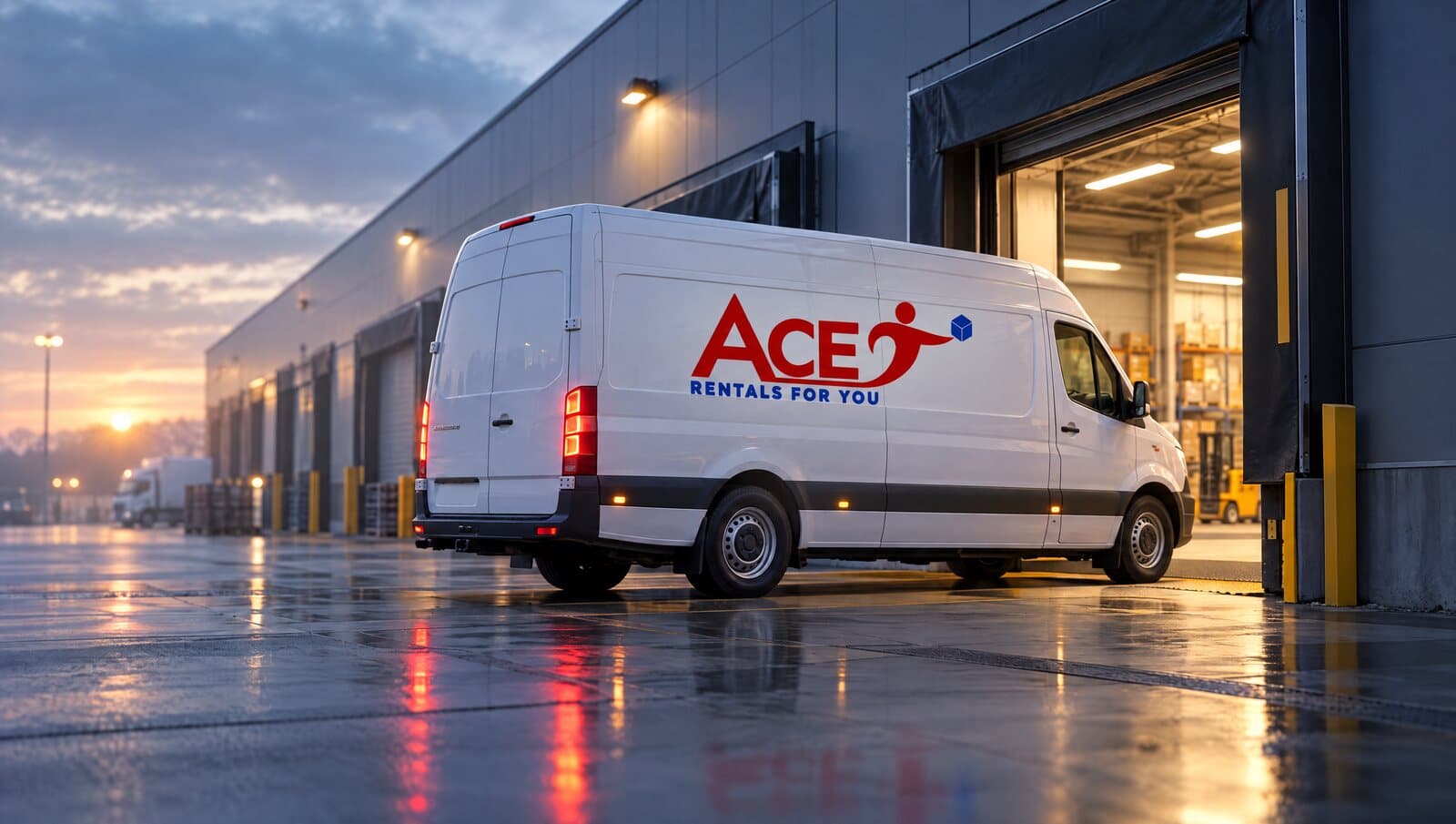
This question comes up constantly with operators scaling from one van to several, usually phrased as a worry: at what point do I become a regulated haulier? The answer is more forgiving than most people expect, but the edges matter.
The domestic threshold
A goods vehicle operator's licence is required for vehicles used commercially to carry goods above a gross weight threshold. For domestic UK operation that threshold sits at 3.5 tonnes gross vehicle weight.
Every van in a typical parcel fleet — Vito, Trafic, Vivaro, Transporter, Transit, Sprinter in their common configurations — is plated at or under 3,500kg precisely so it stays the right side of that line. That is not a coincidence. It is why the 3.5t van exists as a category.
The international exception
This is the one that surprises people. Rules introduced for international journeys mean that operators using vans in the 2.5 to 3.5 tonne range for hire or reward on journeys between the UK and Europe can fall within operator licensing requirements, even though the same vehicle on a domestic round would not.
If your work is entirely UK domestic parcel delivery, this does not apply to you. If you are considering any cross-border work, treat it as a separate regulatory question and get it checked properly before you quote for it.
What crossing 3.5 tonnes actually involves
If you do move above the threshold, an operator's licence is not a form-filling exercise. In broad terms it brings:
- A requirement to demonstrate financial standing
- A nominated transport manager holding a Certificate of Professional Competence for most licence types
- A specified operating centre with adequate parking
- Maintenance and inspection record-keeping obligations
- Driver hours and tachograph rules that do not apply below the threshold
That is a meaningful step change in overhead. For most parcel operations the sensible answer is to stay under 3.5 tonnes and add vans rather than add vehicle size — which is exactly why fleets grow horizontally rather than upward.
The practical takeaway
Check the plate on any van you hire. It is a metal plate, usually inside the door aperture or under the bonnet, showing the maximum gross weight. If it reads 3,500kg or less and your work is domestic, you are outside operator licensing.
Worth being clear about the difference between gross weight and payload while we are here: gross weight is the vehicle plus everything in it. Payload is what you can add. A 3,500kg van with a 1,300kg payload weighs around 2,200kg empty. Overload it and you are committing an offence regardless of licensing.